Note: Originally published on HackerNoon, this updated version includes new insights, added content and refreshed examples on writing long-form blogs.
TL;DR
This piece explains why long-form blogs boost SEO, authority, and conversions. It shows how to structure and write engaging content, optimize for LLMs, and includes expert insights and FAQs.
Some context: I shared this post last year on HackerNoon and it was well received — more than I anticipated.
Sharing some data.
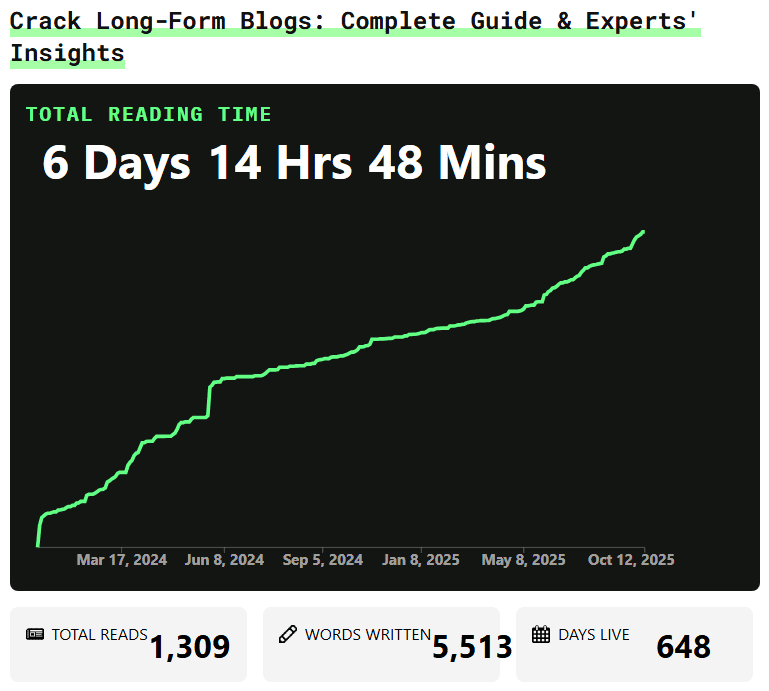
— This is how many people have read that post.
HackerNoon analytics
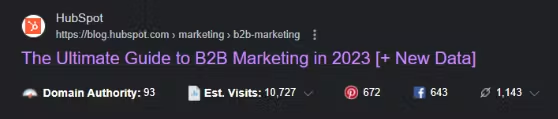
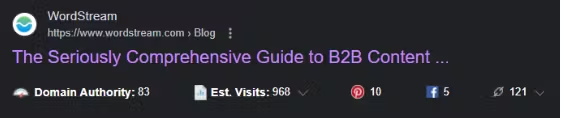
— The story was picked up by these publications.
— It was also featured in HackerNoon’s newletter and I was listed top writers under ‘writing’ category.
HackerNoon top writers list
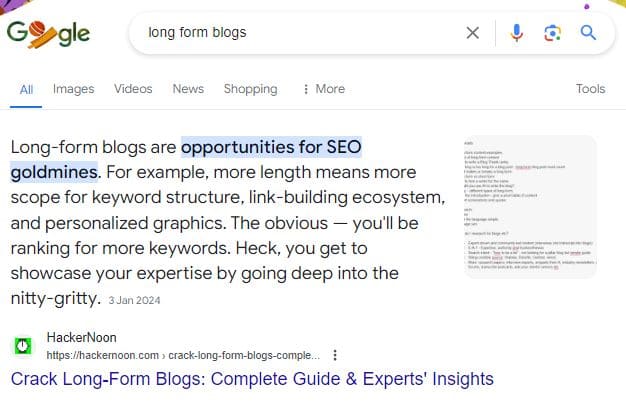
— But here’s the best part. The blog was ranked number one in 1-2 months. That’s right, outranking all the marketing giants of the world. P.S. The blog is kept its place in top 5 and I think bing ranks it on even topper.
While articles between 1,000 and 2,000 words get 56.1% more social shares on platforms like Facebook, Twitter, Reddit, and Pinterest.
Source: Backlinko content study
It’s not just backlinks. Long-form blogs are opportunities for SEO goldmines.
For example, more length means more scope for keyword structure, link-building ecosystem, and personalized graphics.
The obvious — you’ll be ranking for more keywords.
Heck, you get to showcase your expertise by going deep into the nitty-gritty. Sprinkling your years of expertise on a niche topic is what readers and search engines long for.
It’s simple enough. If your content genuinely helps the reader, they would love to hang around more.
Not to mention, they’ll have more links, CTAs, and pages to discover.
This increases engagement and decreases the bounce rate.
Also, when we spend more time with someone, our trust in them grows. Be it a person or your website.
Long-form = more conversions
As I mentioned, long-form content will offer in-depth insights into your topic — captivating the readers to not switch between the websites.
…Encouraging them to take more action.
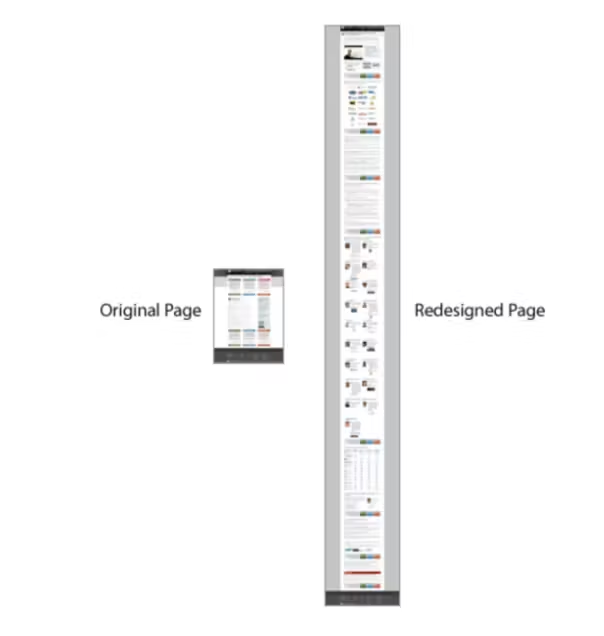
For example, there’s a popular case study about how Moz edited its pro membership landing page. The revamped version was 7 times longer and provided more in-depth information.
This change boosted a whopping 51% increase in sales which made them $1 million in revenue. Not bad for adding more content!
Source: Conversion rate experts
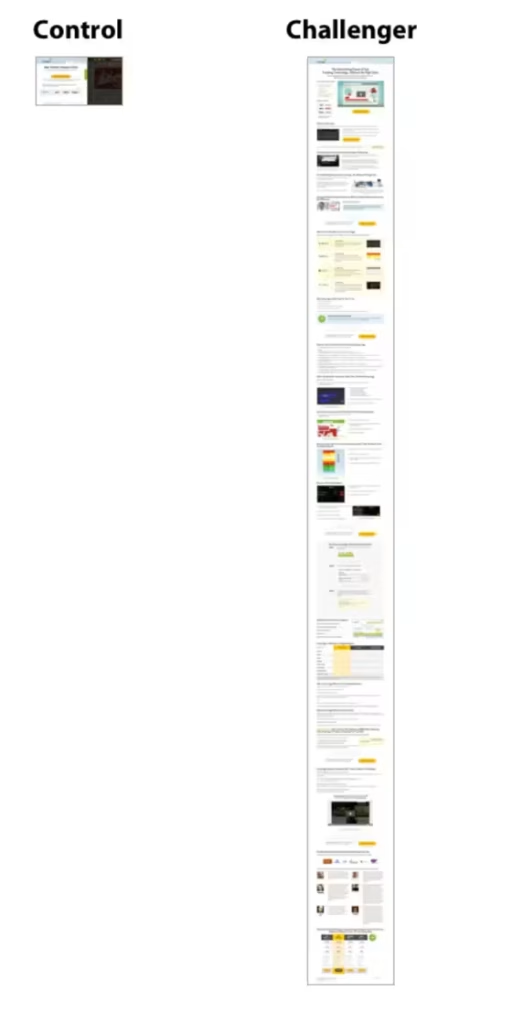
Another similar example is Crazy Egg, which experienced a 363% increase in conversion rate.
Their visitors were initially unsure about how the heat maps functioned and what reports to anticipate.
To address this, they added twenty times more content to the homepage, effectively clearing up all the doubts.
Source: Conversion rate experts
Chapter 2: How to write a 10/10 long-form blog
Producing a shiny, long-form blog can be overwhelming. Follow these steps to navigate.
Do you need a long-form blog?
Before you start typing those beautiful words, ensure your topic is suitable for a long-form blog.
There’s a thing called search intent. Let’s say a user searched for “how to change LinkedIn profile picture”.
In this case, they expect quick and specific steps to achieve that.
Imagine someone slapped them with a “complete guide to LinkedIn optimization for beginners.”
The reader would rather throw away their computer than scan through a 4500-word guide to learn how to change the profile picture.
Moreover, if the topics you talk about look like a short-form article (under 1200 words), you don’t need a long-form blog.
If that’s not the case — scroll further.
Quality > size
Don’t invest in a long-form blog just because I gave you 5 reasons they are worth it.
Offer value, provide resources, and answer questions. Your blog should be really good — better than your competitors.
So if you feel like you need to produce a 7000-word long pillar content — because your readers badly need it — because nobody else created something like that. Then don’t be afraid of the length.
Readers take time to digest; they will keep the tab live for days, and they might take notes.
Remember, millions of people watch Joe Rogan’s hours of podcasts. Take care of the quality, and your readers will stay.
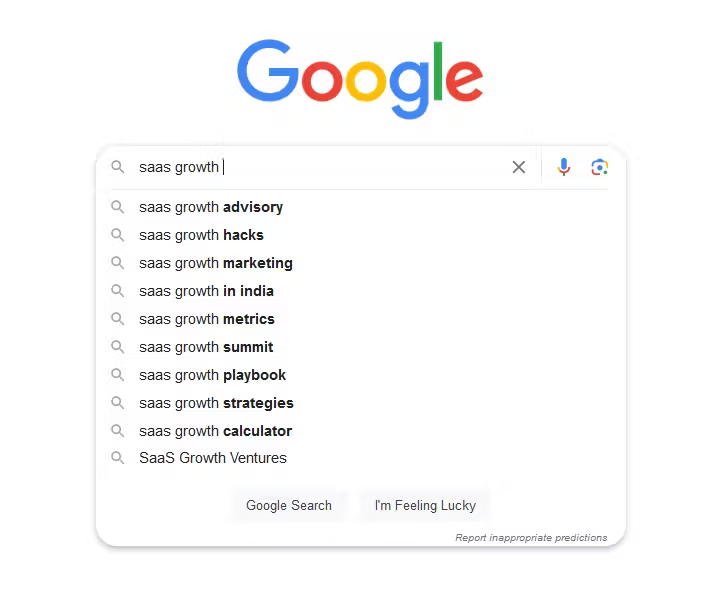
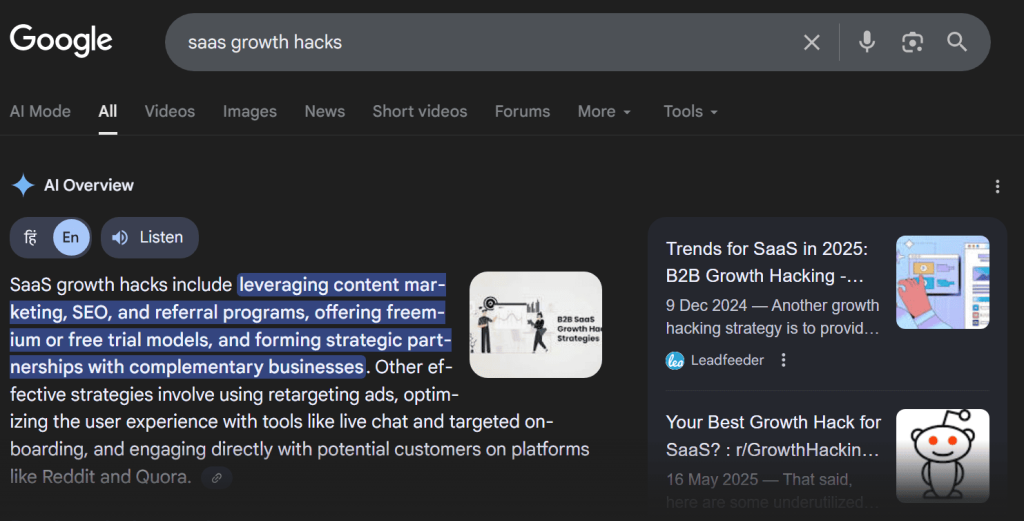
Chances are, you already have a keyword in mind. If you want to look at what people are searching for related to that. Type it in the Google search bar and wait for the auto-suggestion magic.
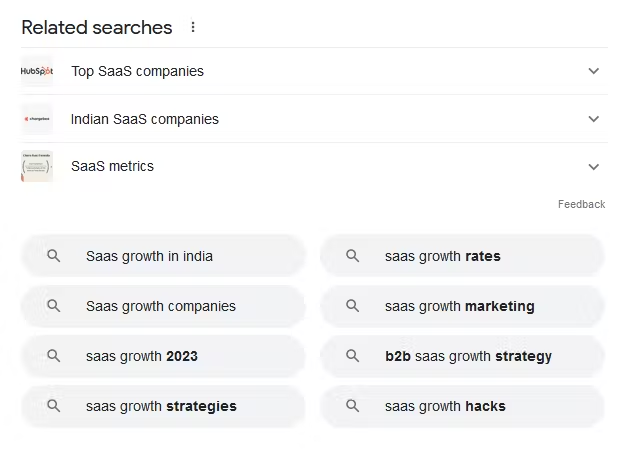
This will help you connect some dots. Make sure you are also checking out the “related searches”.
The “related searches” section can have many use cases.
You can use these keywords as subheadings in your blog.
You might discover an opportunity to build an entirely new blog from one of these keywords.
Sometimes, just answering these queries can help you secure a featured snippet.
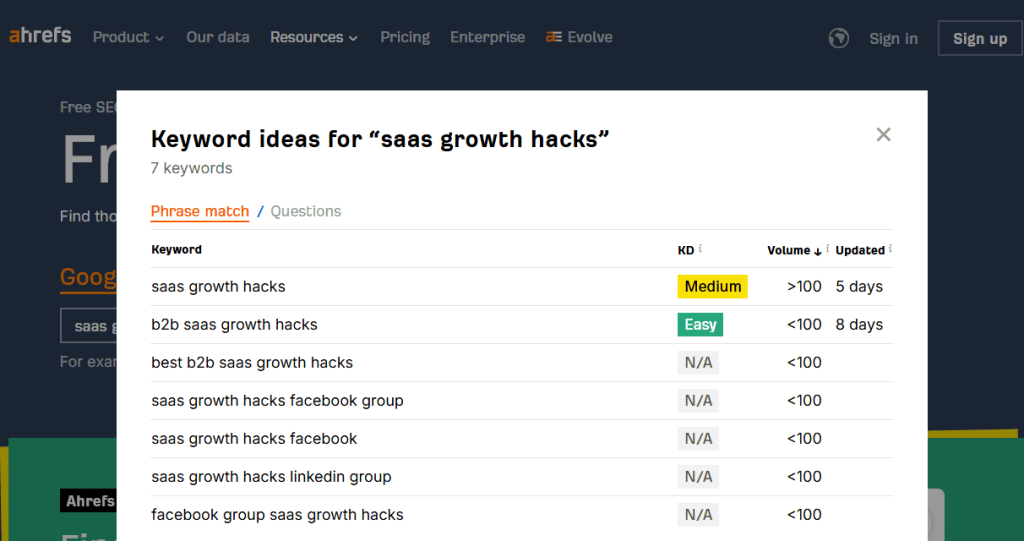
Apart from Google, if you want to dig deeper, feel free to use SEO tools like UberSuggest, Semrush, or Ahrefs.
For instance, put the “saas growth hacks” keyword into ahrefs. Here, you’ll see the search volume for this specific keyword and understand the level of competition for Google ranking.
You can make better decisions with this information.
See, the SEO part wasn’t that hard!
Research made simple
Research takes a lot of time. It can be frustrating and overwhelming without systems in place.
Start with what the top pages on SERPs are saying. See if they are missing an important insight/ angle — you can include that.
Spend some time developing E-E-A-T content — Experience, Expertise, Authority, and Trustworthiness. Google judges the quality of your content based on these guidelines.
Let’s understand each.
Experience: Say you worked as a product manager. Now if you write an article on “how to become a product manager” you will most likely include insights, personal opinions, personal images/videos, etc. that display your experience.
Expertise: The author or the website should have topical knowledge and credentials they are talking about.
Authoritativeness: What is the overall reputation of the content creator in the industry? Do they have a strong personal brand? Are they well-known by experts and influencers in their industry?
Trustworthiness: Your website, content, and writer are all accounted for. Moreover, to build trust, you need to have Experience, Expertise, and Authority.
Crux: make sure to include expert-driven and community-led content.
For example, I tapped into top content writers through my LinkedIn network, fishing for their ultimate tips to ace long-form blogs. (Check out these gems at the bottom.)
Another important segment for your research is quoting the right sources.
The best in-depth blogs have their case studies, statistics, research papers, social media posts, graphs, and data quoted from the original source.
For example, if you’re going to have a particular POV, make sure you back it up.
You can also scout for more stories from industry newsletters and forums like Reddit & Quora or conduct expert interviews.
You’ve done an amazing job collecting all the information. But how do you effectively manage it and make it useful?
Outline is your guiding star
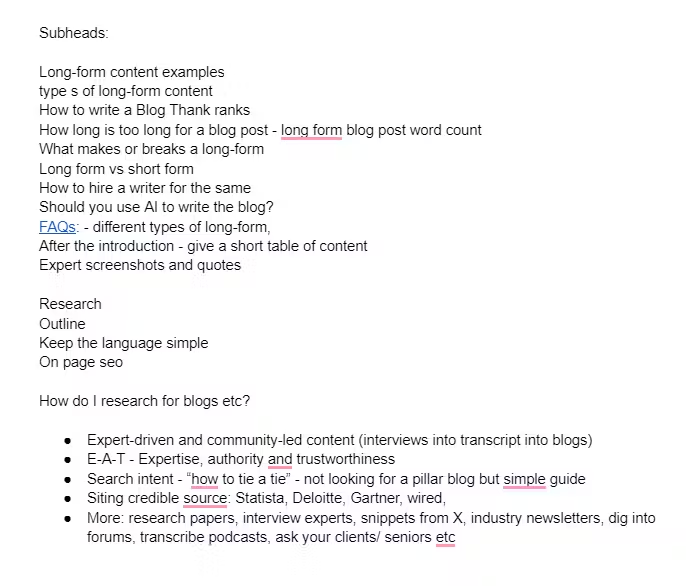
During the research part of this blog, I opened a fresh Google Doc and started piling all the ideas.
This doesn’t have to be perfect. It’s a prior step before you flesh out your draft.
For example, this is what my rough research/ notes looked like:
See, it doesn’t have to be neat. Yours can look entirely different.
Now, let’s talk about the outline.
Here’s something controversial: you don’t always need an outline. You can work with the rough notes you collected.
However, especially in the case of a long-form blog, it really helps. But again, it’s subjective.
To create the outline, start arranging headings and subheadings. Under each, you should have a general idea of what to include.
Remember that your outline doesn’t need to be set in stone. Keep making tweaks as your article grows.
Before you start writing
I know — finally coming to the writing part might seem daunting. But I think everything is already under control. You got your notes, research, and the outline.
Now, I want you to follow some writing guidelines before you weave your rough draft.
Make sure your sentences are shorter. They should contain pitstops. Your goal is to give the reader time and space to grasp your words.
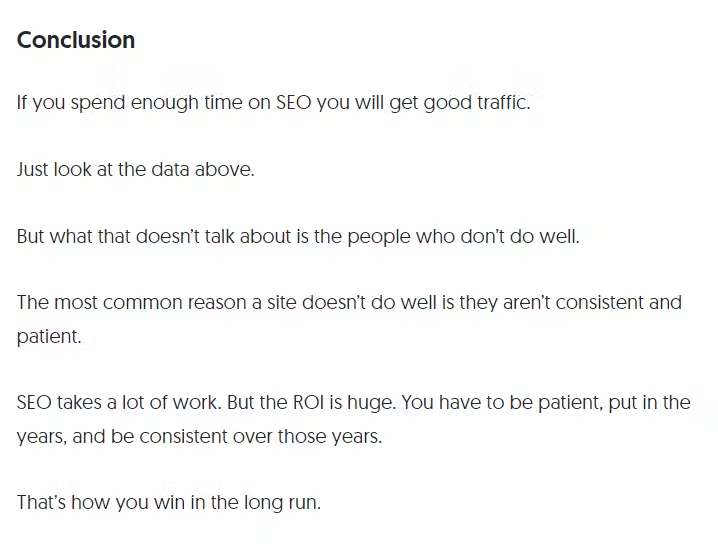
Change your paragraphs often as well. Have you ever read any of Neil Patel’s blogs? They are extremely easy to digest.
Have a look:
Don’t flaunt your fancy vocabulary. Ignore jargon or technical words. Keep in mind that people have shorter attention spans.
P.S. “Writing simple” doesn’t mean boring. Be emphatic, engaging, entertaining, and passionate. Tell a story and use examples often.
“Writing simple” means breaking a complex idea into smaller understandable chunks.
b. Keep it conversational
It’s very important to drop your professional tone and switch to a personal tone. Meaning: write as if you’re explaining the topic to your buddy. Use “You” and “I”.
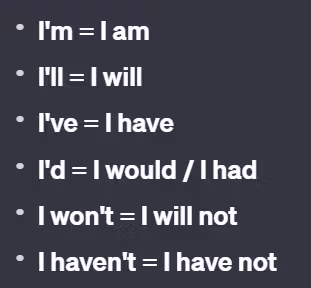
Use contractions:
It’s also okay to start a sentence with a “conjunction” since they help you write shorter sentences:
Start writing…
Prepare a steamy cup of your favorite coffee (or chai latte, or matcha latte if you’re into that?) and keep reading.
Here’s the kicker: it’s called first draft for a reason. Do not aim for PERFECTION. Your only concern right now should be to write like a drunk person (not literally. Don’t get drunk).
Point in case: you’ll never complete the draft if you keep rewriting, editing, and proofreading continuously.
Don’t fret over spelling, grammar, or anything that can be posted in the first draft.
Right now, just follow your outline so that everything falls under a structure and your writing has a flow.
The same rule goes for the title. Currently, it should depict what you’re writing about, but it’s open for modification based on SEO best practices later.
Make it pretty
Add videos, images, gifs, memes, and screenshots. Whatever is relevant. The media you’ll add will be of two kinds:
Memes and gifs: This will add an element of humor and personality. Making it entertaining for your reader. Make sure the humor aligns with your brand’s tone of voice. P.S. you WordPress’s “custom HTML” block and embed your gifs.
Educational media: This type of graphic will add relevance to your claims. For example, if you’re discussing specific statistics, consider including a bar graph image to illustrate your point.
Make sure to mention the original source if you’re using images/ screenshots from other websites.
If you want to use copyright-free images, you can use websites like Unsplash and Pixabay.
Congrats, your blog looks polished and professional. Plus, your readers will not die out of boredom.
Headline is very important
Any visitor will first read your blog titles and then decide if they are interested in reading more.
The headline has to be attention-grabbing but not clickbait.
Make sure your headline has the promise and it's SEO friendly (search intent + keyword).
The best way to get started is to get inspiration from other articles related to your topic.
You might find this useful:
Edit and proofread sober
Remember how Neil Patel wrote? You’ve to match that simplicity. Short sentences & paragraphs, simple vocabulary, and conversational tone.
Use bullets
numbered lists
– bold, and italics to break complex chunks of text into easy-to-digest content.
Keep your structure tight. Everything should flow under a proper hierarchy of header tags.
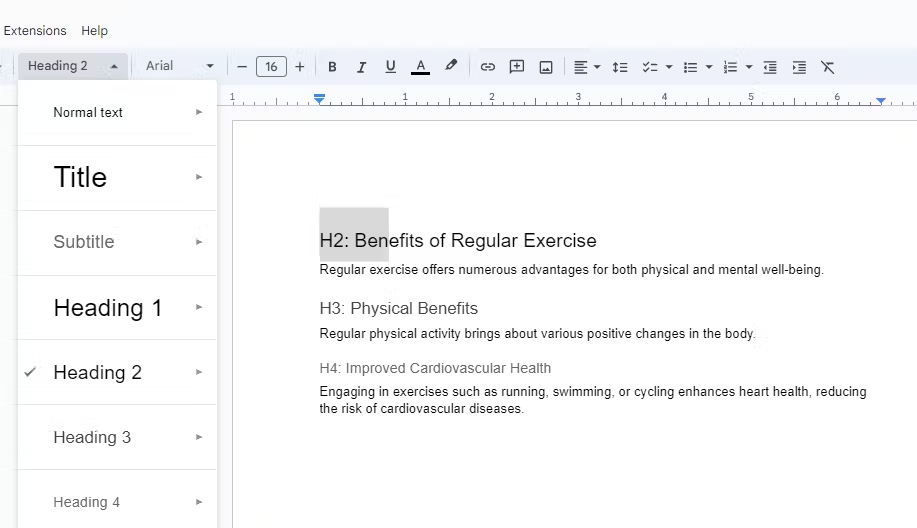
For example, your first main header after the title will be “H2” and if you want to add another subheading under that — use “H3” and so on. Most likely, you’ll only need till “H4”.
To name your headers in Google Docs, select your heading, go-to style, and choose H1, H2, H3, etc.
If a sentence doesn’t sound punchy — or feels complicated, rewrite it. You can use tools like ChatGPT. Make sure not to overuse it.
ChatGPT is not bad for such prompts, but you can’t rely on it to write complete paragraphs.
Use Grammarly to correct spelling and grammar.
Edit and proofread a couple of times. Consider asking a friend for help. Since you’ve been immersed in your own content — it will be easier for someone else to catch what you might have missed.
Or, leave your draft for some time, come back, and have a fresh look.
Upload it on your CMS
This part might seem a bit technical — you can always check a YouTube tutorial. For example, if you’re using WordPress, a video will help you to navigate easily.
No matter the content management system (CMS) you’re using, you’ll need to follow the steps I’m about to outline.
What we are going to do here is called “on-page SEO.” Basically, we make sure that our content has keywords, optimized links & images, and some basic SEO hygiene.
Trust me, it sounds like black magic, but it’s simple, and you don’t need to sacrifice anything.
Here we go.
Step 1: Table of contents
This is not really SEO, but it will help you improve overall readability, which is indirectly SEO.
Think about it. Your long-form is like a book and without a table of contents, your reader will be lost. Not to mention, people like to scan first and then read.
You have two options: you can manually write a table of contents similar to a book or use a plugin.
The plugin automatically generates links for your headers, allowing users to navigate directly to various sections.
Like this:
[put the TOC on this blog when it’s formatted]
Step 2: Keywords
What most people get wrong about keyword placement is that they think they have to somehow force it.
I wrote blogs three years ago without any keyword strategy, and they still rank in the top five.
Point being: it’s extremely hard not to include the keyword.
For example, if you are writing a blog on “long-form blog,” you’ll naturally mention that on your:
Title
Headings and subheadings
Page URL/link
Body Content
That’s it. Focus on providing unique content, and don’t worry so much about keyword placement.
Step 3: Image optimization
For Every image you add, make sure you do three things:
Rename the image file.
For example, a screenshot stored in your local file manager will have a random naming pattern like “IMG_672908.jpg”.
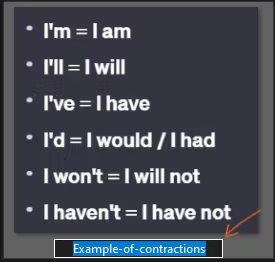
That’s why we rename it so that search engines can make sense. Describe what’s in the image and use dashes between the words ( – ).
Something like this:
Compress your image
Your original image might be 5 – 6 megabytes or more which will make your page slow. You can use different websites for this just search “compress image.” Try to keep your images under 50 KM for simple graphics/screenshots or under 150 KB for high-quality photos (this is just a range).
Alt tags
Alt tags serve as a backup if the image fails to load, displaying this text on the page instead. You can learn more here.
So, just like we rename the images in your local file manager, we also need to describe the image in our CMS, like WordPress.
Here’s how to do it:
Source: Screenshot from a blog I wrote on my LinkedIn
All three steps will help your image rank on search engines.
Step 4: Links
Page URL: Before hitting “publish,” optimize your blog’s URL. For instance, if your blog is about men’s shoes…
Bad URL: https://www.menshoes.com/blog5208465527
Good URL: https://www.menshoes.com/history-of-nike-shoes
Internal and external links: Make sure you’re linking relevant blogs from your website as well as from other websites.
DONE.
That’s how you write an A+ long-form blog.
Chapter 3: What you need to know about LLM optimization
Did you expect me to not talk about Gen AI platforms — ChatGPT, Gemini, Claude, DeepSeek, Grok and Perplexity. The AI bros will cancel me. Jokes aside, it is 100% worth talking about but there’s a catch at the end of this section.
After all, humans are not just relying on search engines to find information anymore, interacting with LLMs has become second nature.
For example: a survey of 12,000 consumers found that 58% — up from just 25% in 2023 — now use AI tools to dig about a product or service. Another report noted a 1,300% increase in AI-driven search referrals to U.S. retail websites during the 2024 holiday season.
What is LLMO anyway?
Just like SEO, where we try to help search engines pick our website for a query because we created the kind of content search engines were expecting — we do the same but for artificial intelligence tools.
But is large language model optimization just another fancy way to sell you new SEO services? There are debates about LLMO = good old SEO white hat practices.
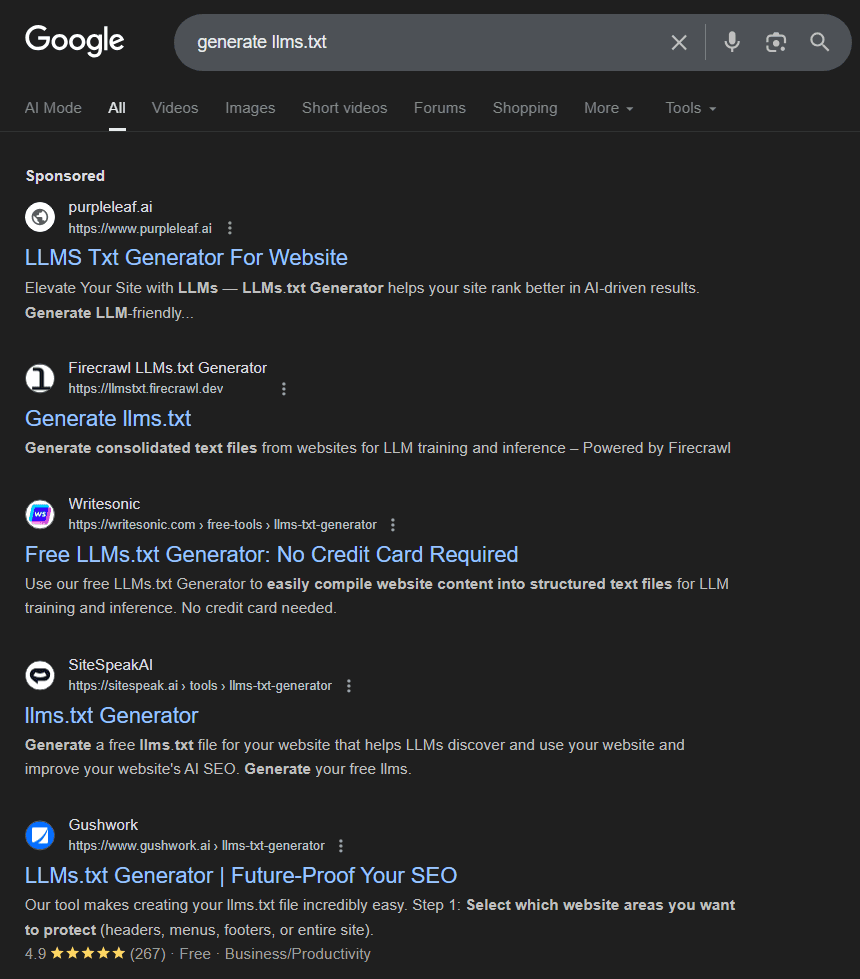
SEO tools like Rank Math and Yoast SEO are even selling you their llms.txt file submission idea and tons of new websites have popped up which can help you to generate these files.
These websites can help you create llms.txt
There’s no evidence for this, and none of the LLM companies or search engines have said they expect separate sitemaps for large language models. So I’ll put this into the LLMO hype category.
Then AI bros will also tell you to spam reddit because perplexity has an affair with reddit and can’t get enough of it. But then you start smelling something familiar — is this black hat SEO again?
Because guess what. Reddit’s AI citations dropped 82% overnight as ChatGPT references fell from 29.2% to 5.3% after Google limited AI access to indexed search results.
What to make of all this? My opinion? Have a middle ground, yes, optimizing content for AI is mostly great SEO but there are few nuances which we will discuss. Before that, let’s talk about.
How does LLMs work — the technical side
First off, LLMs can’t really think — it’s just a fancy word for “loading” when they’re predicting the next word based on all the content they were trained on. Think your website — that’s why you need to put out good content that AI can easily understand and mention about.
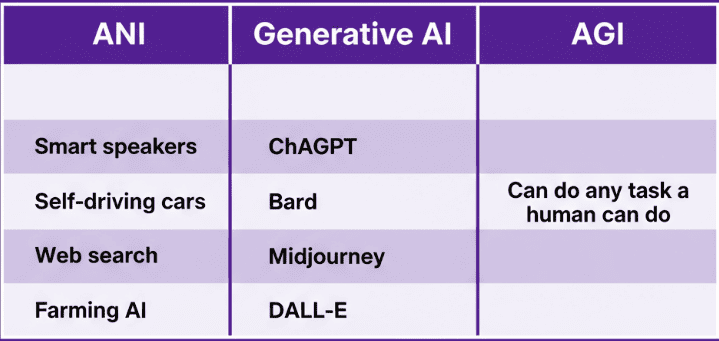
There are three kinds of AI: ANI (artificial narrow intelligence), generative AI (which we’re talking about) and AGI (artificial general intelligence). By the way, AGI might make us superhumans or rule over us, no kidding.
Let’s talk about the technicalities now — what happens in the background.
When we enter a prompt into our favorite LLM, our words are instantly broken down into smaller units called tokens. The model then predicts each token, step-by-step, assembling our answer until it hits a built-in stop, such as a special end token or a limit on response length.
LLMs use deep neural transformers trained on huge datasets to understand not just words, but their meaning, context, and intent. Instead of matching only keywords, they apply attention mechanisms to pick the most relevant info and synthesize it into helpful, natural responses.
Modern LLMs also pull from external systems, fetching up-to-date data, recalling user history, or restricting response length to keep answers fresh and relevant for fast-changing topics like SaaS content marketing or even LLM optimization.
The most important factors you should take home is, If you want your content to perform well on AI models, focus on clarity, thoroughness, well structured headers, and insights that come from your own experiences.
Basically, the more “original” and well written (formatted also) your piece of content, the better chance it has to get suggested by LLMs. Just like good old SEO I guess!
Now let’s talk about the most anticipated part.
Best practices for LLMO
Understand that unlike Google, which shows you content “Google” ranked as a search engine, LLMs combine everything before it answers. Meaning, they use Bing (yes, start submitting your sitemaps to Bing Webmaster Tools), Reddit, Quora, reviews from different websites, and high authority sources.
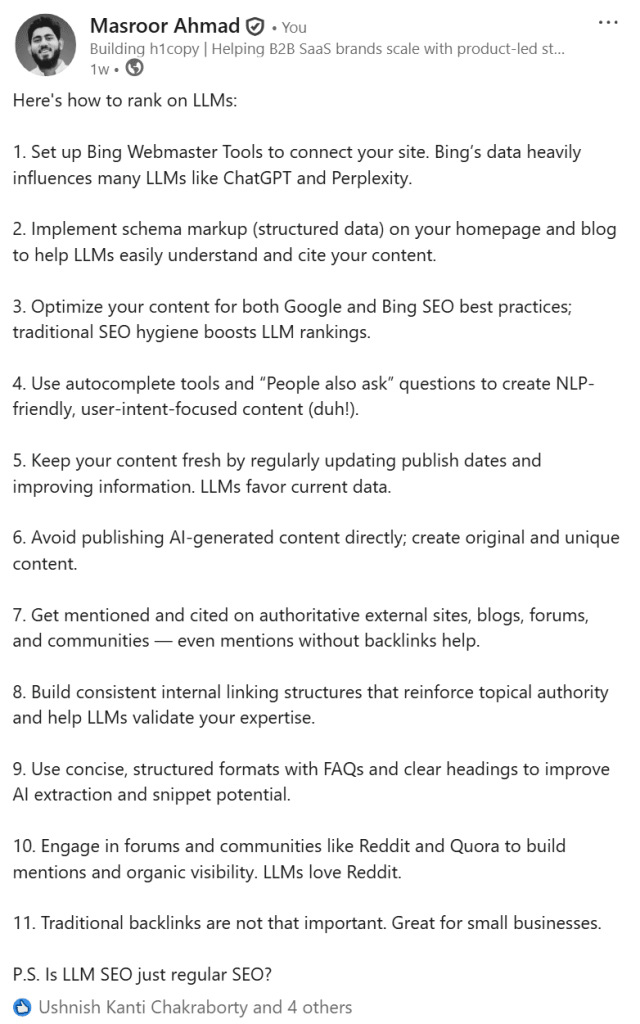
After reading dozens of articles on this topic, I’ve come up with some serious “unsurprising” information on how to show up in LLLs:
You need to build content across the web so that AI sees you as an authority in your niche. Produce all kinds of content formats your brand allows, and use all available marketing channels
Make sure your internal links are working well — connect all your main pages, including landing pages, blogs, research posts, whitepapers, eBooks, etc. This shows AI that your knowledge is well-structured and interconnected
Format your content so that AI can quickly extract answers. Use FAQ schema, structured data, and clear headings. Make sure key insights stand out and can be easily pulled.
Check whether AI already recognizes your brand by asking AI questions such as what are the top ten B2B SaaS product led agencies. If your brand does not appear, start improving your authority, structure, links and produce more in depth category content. So specialized content about your niche topics are way more important than general content.
That said, let’s address the elephant in the room. All these so-called best practices and tactics? It’s called SEO. Some people might suggest that some fundamentals of SEO like link building are not important for LLMO. I disagree. If NYT is talking about your B2B SaaS startup in their article, what more authority do you need? So all those SEO fundamentals are relevant to LLMO as well.
So there you have it. I proved my point that you need to work on your SEO and produce more high-quality niche content and it should work for both search engines and LLMs.
“Address the reader’s query right away with long-form content.
The reader landed on your site because they had a question and needed an answer, and it’s your job to make it as easy as possible for them to get their answer.
For example, if you’re writing a blog post titled “How to teach your dog to stay,” dive into the steps right after your intro. That’s what the reader wants.
Doing this takes a readers-first approach and ensures your long-form content contributes to an excellent user experience.”
“Rely on subject matter experts — Don’t just reword the top results already on Google for your keyword or query. See how you can add new information, insights, or perspective to the existing conversation. Talk to experts. Get quotes.
Follow SEO best practices but not at the expense of user experience — Do I include the target keyword and related variations in my meta title, meta description, H1, and H2? Yes. Don’t overlook SEO basics that signal to the search engines what your article is about. That being said, cramming in an awkward keyword just to include it doesn’t provide any value to your audience.
Grab the featured snippet spot — Google a simple question involving your keyword (“How to…” or “What is…”). See what’s currently holding the featured snippet slot. Figure out how to create something better that will bump it. Include the query as an H2 in your blog, and then succinctly but thoroughly answer that question. You have about 300 characters (or 40 to 50) words to work with.
Don’t neglect the visuals — Blogs are a written medium, but great visuals do a lot to help your rankings. They improve the quality of your piece, they increase audience engagement time, and they provide more opportunities for Google to crawl your piece. Make sure to optimize visuals with SEO-friendly alt text. (Better for ranking purposes, and it makes your work more inclusive!)
Make it scannable — Include lots of headers (appropriately tagged with H1, H2, H3, etc.). Add bulleted lists where it makes sense. Don’t write in massive blocks of text. All these things help make your piece more understandable and scannable—to the human eye and to Google.”
“The internet is swarmed with generic content. Just search something like “how to create a content marketing strategy” and you’ll see a lot of generic information from people who don’t even have the actual experience creating a content strategy.
And the funny thing is, these people didn’t even talk to ones who have this kind of experience. They just rewrote what’s on the top 10 results in the SERPs.
So, my take is to talk with people who have the subject-matter experience. Get their thoughts on how to do something in real life. Ask them for real-life examples or results they’ve achieved. And that’s how you can make your content stand out.”
“I’m a B2B writer, and our company’s primary goal is not just traffic but also conversions. The desired action may vary from piece to piece. It could be encouraging readers to leave their contact details or enticing them to click on a banner that leads to a targeted landing page.
Because our focus is on conversion, we rarely work with high-traffic keywords. Instead, we prioritize keywords with transactional or commercial research intent. It allows us to attract a smaller audience with a higher likelihood of converting into leads. This way, we can connect with individuals actively seeking solutions rather than those seeking only information.
By securing a top position on SERPs for these specific keywords, we not only generate a consistent flow of traffic but also establish our brand as an authoritative voice in the niche.
We firmly believe that the quality of our content plays a crucial role in both ranking and conversion. So, we have established several criteria that our long-form blog posts must meet.
Firstly, we aim to share our company’s internal expertise in every piece of content we publish, so there’s plenty of interviewing and researching to dig up valuable information for each article.
Besides, each post must target a specific ICP (ideal customer profile) segment, be well-structured, easily skimmable, and include a clear CTA. Collaborating closely with our SEO team, we optimize our content for search engines.
Additionally, we leverage resources such as AnswerThePublic to identify the real questions people have about our topic. These insights often inspire additional subheadings or FAQs that we include at the end of the post.”
“What makes a blog stand out is the quality of the content, which in my opinion, is directly proportional to the research you’ve done.
Usually, new writers think of Google when writing long-form content. But most blogs on Google that you refer to for content have surface-level information.
The best way is to dig deeper into communities like Reddit, LinkedIn Groups, and Facebook groups. Because this is where actual and relevant conversations happen.
Quora is also a good place, but you need to filter out the bias. My go-to resource is always a subject matter expert.
For example, I’ve been writing product development-related blogs for a while. I always approach the senior tech leaders in my company to get first-hand information.
This way, you can bring authority to the content and stand out. On a branding level, this way you ensure your messaging is right and on point.”
“My best tip for writing long blog posts, is to create an outline before starting the actual writing process. I find it helpful to create two or three different outlines to explore the best approach for delivering high-quality content.
Once I have the outlines, I begin writing the blog post by focusing on one paragraph at a time. This approach allows me to take breaks and reflect on what I have written, ensuring that the content is valuable.
And not something that can be easily found elsewhere. By taking the time to reconsider and refine each paragraph, I can improve the overall quality of the blog post.
This method has proven to be a time-saving technique for me, and it has also helped me produce better blog posts, especially when dealing with longer pieces of content.”
“Interviewing subject matter experts is a great way to elevate a piece of content.
But finding SMEs to interview can be tough, especially if you’re working on a tight deadline.
In this case, industry podcasts are a great way to get expert insights.”
Stand out with quality
As cliché as it might sound, this is what matters most for long-form blogs. I originally spent weeks gathering all the elements, talking to expert writers & marketers, scanning SERPs, and then writing and formatting this mammoth of a content piece.
But it worked. It was ranking then and it’s still ranking now and I hope this extended version also works.
Remember, simplicity is key. Answer your users’ queries in clear, straightforward language. Make your content scannable, and enrich it with engaging visuals.
Let your outline be your guiding star. Take care of the formatting. Keep editing and rewriting each sentence once you’ve finished the first draft.
Oh and don’t worry about AI. You don’t need to change anything if were already doing things mentioned in this guide. Try not to scam LLMs like it’s 2005 black hat SEO era and you’re good.
Frequently asked questions (FAQs)
How important is SEO in long-form blogging?
SEO is crucial. Optimize your content with relevant keywords placed naturally, create clean URLs, and include metadata like titles and descriptions. Long-form content naturally supports SEO by covering keywords and related terms in detail.
How to hire a great writer?
Talented freelance writers create original content — see if that reflects in their portfolio. Their blogs are extremely well-researched, every word has a purpose, and the narrative is fresh. You can also hire agencies that are not generalist. For example, if you’re a B2B SaaS company, hire a product-led agency to scale your content faster.
How often should I update my long-form content?
Regular updates keep your content relevant and improve SEO. Aim to review and refresh long-form blogs every 6-12 months, adding new information, updating stats, and refining for current trends.
Can I use AI to write a long-form blog?
Yes, AI tools can assist by generating drafts, creating outlines, or suggesting keywords. However, human real-world experiences & insights and editing is essential to ensure accuracy, personality, and depth that resonates with your audience. Personally, I lean more towards adding as much personalities and storytelling as possible because you’re writing for humans.
How long is too long for a blog?
Dare I say — “It depends.” However, I think there are different levels. For example, something around 1000 words is a quick read, around 2500 is the ideal length, and beyond that is a long form. So, even going above 10,000 words works. Make sure it’s not about the word count but putting the best piece of content out there that aligns with your content marketing strategy.
How do I start writing a long-form blog?
Use varied formatting like headers, bullet points, images, and videos to break up text. Write conversationally and include anecdotes or examples. Also, answer common questions and add FAQs to address reader concerns comprehensively.
Why should I write a long-form blog instead of a short one?
Long-form blogs help establish authority and expertise in your niche by covering topics thoroughly. They tend to perform better in search engine rankings due to comprehensive information, more keyword opportunities, and higher user engagement.
Share
Masror Ahmad
Masroor Ahmad is a B2B SaaS content strategist and founder of h1copy, a product-led content agency helping SaaS companies drive sustainable growth through research-backed, expert-driven storytelling. He specializes in bridging the gap between product, marketing, and SEO to create content that delivers measurable impact.
At h1copy, Masroor leads a team focused on creating structured, extractable content designed for both traditional SEO and AI-powered search. Their methodology blends E-E-A-T principles with LLM optimization, ensuring every piece of content builds authority, ranks well, and earns trust from both readers and search engines.
Whether you’re scaling your content program or refining your messaging, Masroor and his team at h1copy can help you build a content engine that compounds over time and makes your SaaS impossible to ignore.