


If you’ve ever created SEO content that drove traffic but not sign‑ups, you’ve already learned the first lesson: awareness content isn’t enough to convert buyers.
In 2026’s SaaS landscape, buyers don’t need another “10 best tools” roundup — they need help making a defensible case for why your software solves their problem better than alternatives.
That’s the promise and challenge of product‑led content (PLC). Done right, PLC doesn’t just talk about the product; it demonstrates how the product enables users to work faster, easier, and more successfully.
After several years of creating product‑led content for SaaS teams, here are the biggest lessons I’ve learned about writing PLC that actually wins customers.
1. Product‑led content ≠ product pitches
Let’s clear this up first. Product‑led content isn’t sales collateral dressed as a blog. It’s educational storytelling powered by your product. Instead of teaching around your product, you teach through it — showing real workflows, outcomes, and user results.
The best PLC sits somewhere between a tutorial and a business case. It blends:
- Why this problem matters
- What success looks like (the buyer’s desired outcome)
- How your product feature specifically gets them there
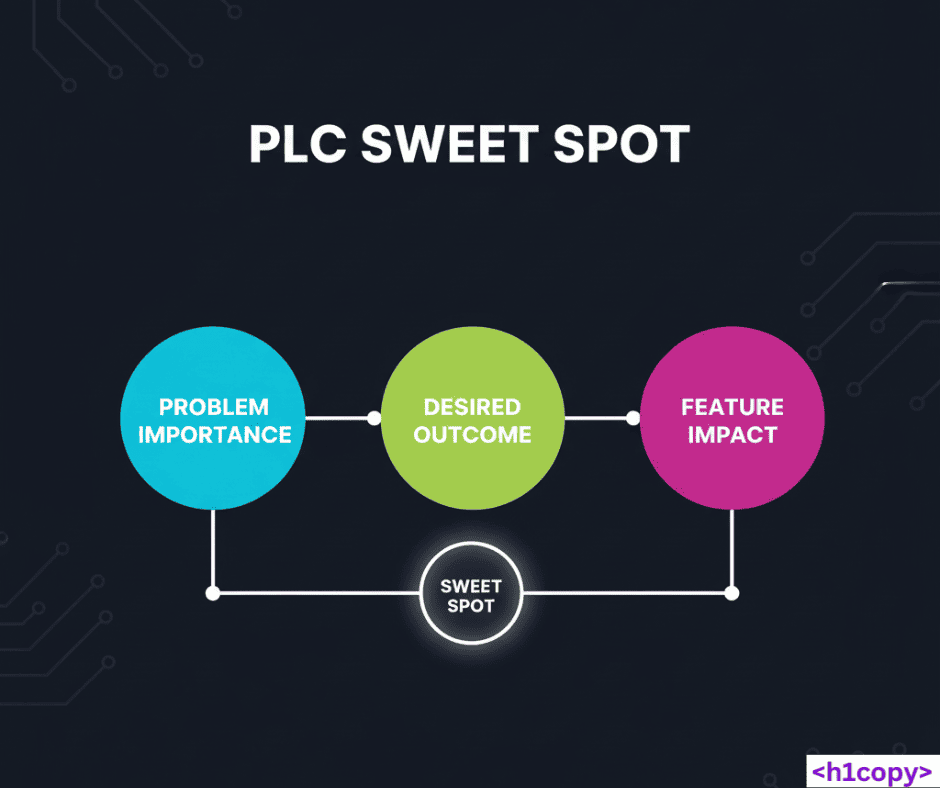
The difference is subtle, but it’s the foundation of trust. Readers don’t want to be sold to, they want to be helped. The paradox? The less you sell, the more they buy.
2. Be buyer‑first, not brand‑first
Every strong piece of PLC starts with empathy for your buyer’s jobs‑to‑be‑done (JTBD), not your feature roadmap.
You can’t create authentic product‑led content until you’ve answered:
- What goals are our users chasing?
- Which tasks help them reach those goals?
- Where does our tool fit inside those workflows?
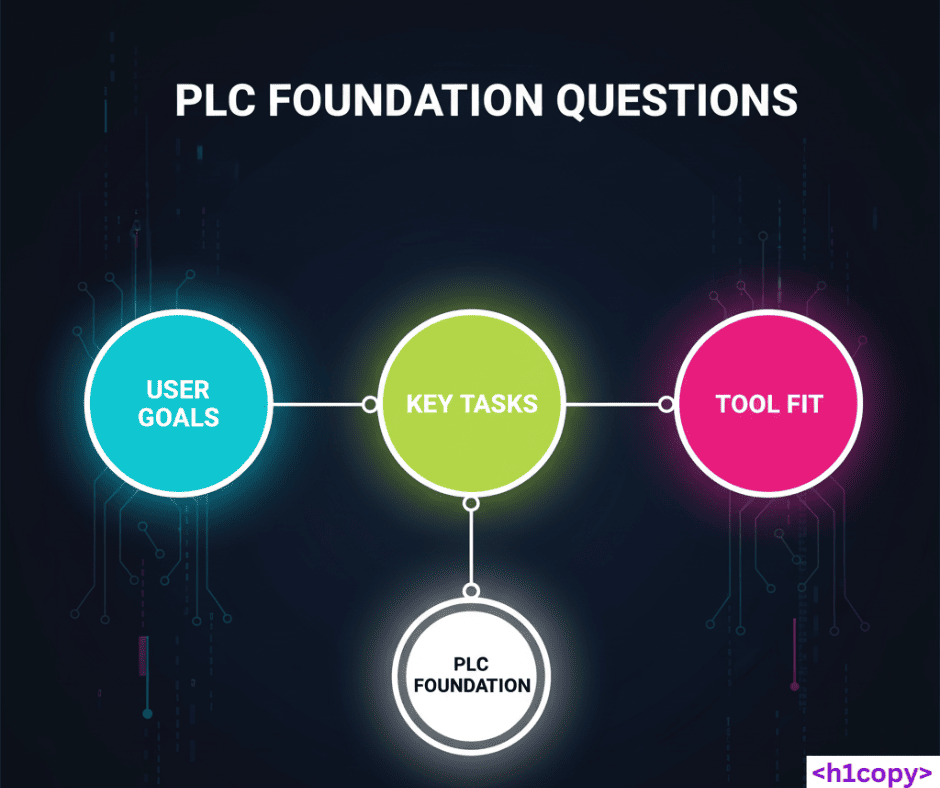
This thinking turns feature writing into outcome writing. Instead of “Feature X lets you create custom reports,” you get “Feature X helps marketing teams analyze campaign ROI 3× faster — no spreadsheets.”
It’s subtle shifts like this that turn content from product‑centric to buyer‑centric.
3. Know when product‑led content makes sense
Many SaaS founders jump into PLC too early. In reality, PLC thrives only when foundations are stable:
- You know your ICP clearly.
- The product is mature (not changing every month).
- The brand already has some awareness.
- Your messaging and positioning are consistent across teams.
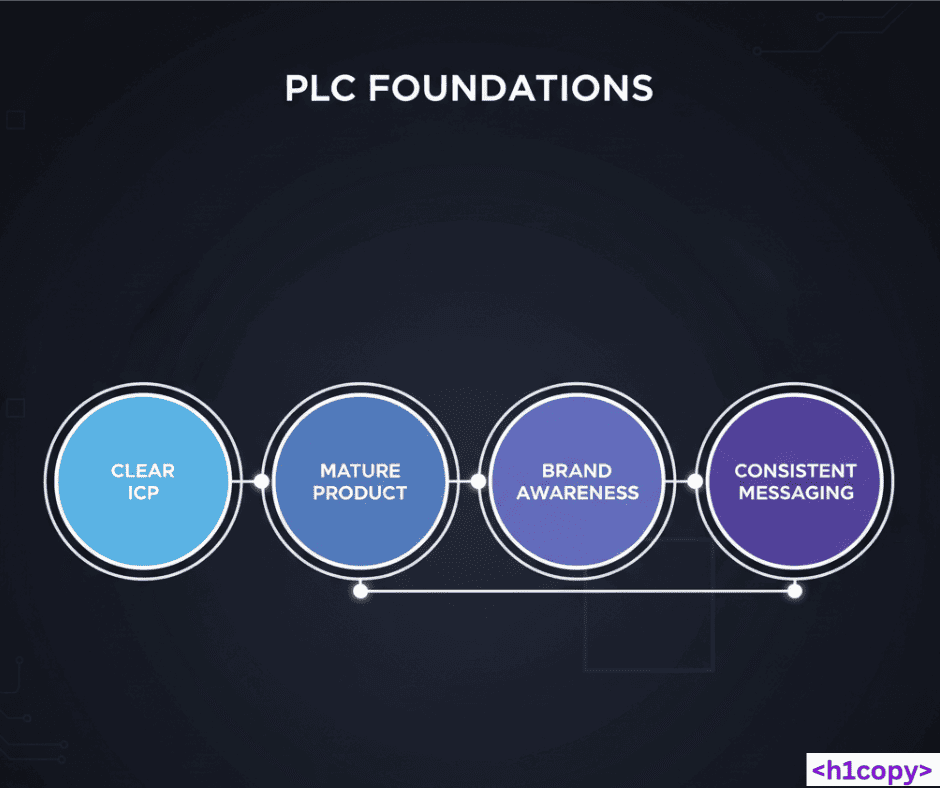
Without these, PLC becomes noise. As a rule of thumb, use product‑led content after you’ve validated who your paying users are and how they define success. That’s when PLC amplifies, and not confuses your funnel.
4. Map content to the buyer journey
To avoid sounding “salesy,” map your content to the buyer’s natural journey:
| Stage | Buyer Mindset | Best Content Type |
| Problem‑aware | “What’s my core issue?” | Guides, templates, checklists |
| Solution‑aware | “What tools can fix this?” | Comparison blogs, feature explainers |
| Decision‑stage | “Why this product, why now?” | BOFU content — demos, case studies, integration workflows |
| Post‑purchase | “How do I get the most from it?” | Tutorials, playbooks, advanced feature walkthroughs |
Most SaaS companies over‑index the top two. But the highest converting content lives at the bottom of the funnel (BOFU), where prospects need clarity and confidence to decide.
5. Write BOFU content that converts
Long-form BOFU blogs are where interest turns into activation. And after creating plenty of them, I’ve learned one clear truth: great BOFU content mirrors how real users evaluate tools.
If you’re planning BOFU pieces, follow this checklist:
- Cover only 1–3 features per blog to avoid overwhelm.
- Show, don’t just tell. Use screenshots, GIFs, or recorded clips.
- Answer specific workflow questions: when to use the feature and how.
- Prioritize outcomes over abstract benefits.
- Let customers speak for you through testimonials and micro‑case studies.
- Never badmouth competitors. Use data‑backed comparisons instead.
- Answer complicated information again at the end in the FAQ format.
6. Treat product documentation as a growth asset
Your feature cheat sheet is your content team’s best friend. Think of it as a living document that bridges product, marketing, and sales insight. It should include:
- Feature name
- What it does and when to use it
- Who it’s for
- What JTBD it solves
- Example use cases and benefits
- Links to knowledge‑base tutorials
- Links to tutorials or knowledge-base articles
- Customer quotes or feedback related to the feature
- Competitive differentiator — how this feature stands out
- Internal notes for positioning (e.g., “great for onboarding” or “advanced users only”)
- Visual assets or screenshots for quick reuse in blogs, case studies, and decks
When you maintain this internally, every content brief becomes faster and sharper. It ensures all writers describe the product consistently and accurately. Which means no more re‑inventing feature explanations or missing product screenshots.
7. Turn data into defensible proof
LinkedIn’s Buyability Report (2025) revealed a key shift: buyers don’t just ask “Do I want this?” but “Can I defend buying this?” Internal alignment is now the biggest deal‑maker in SaaS.
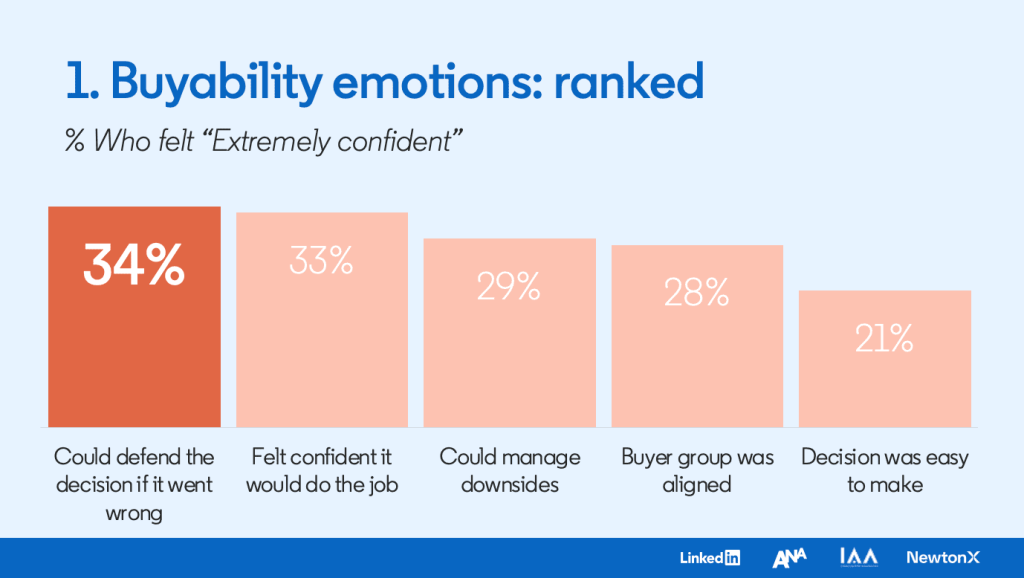
That means your content shouldn’t just convince, it should equip buyers to convince others.
Include credible, data‑anchored proof like:
- ROI metrics (example: Teams cut reporting time by 40%.”)
- Aggregated user satisfaction stats from G2 or internal surveys
- Quantified results (example: Generated 22% more qualified leads using automation rules.”)
This kind of evidence builds defensibility, helping users advocate for your tool inside their organizations.
8. Optimize CTAs like conversion assets
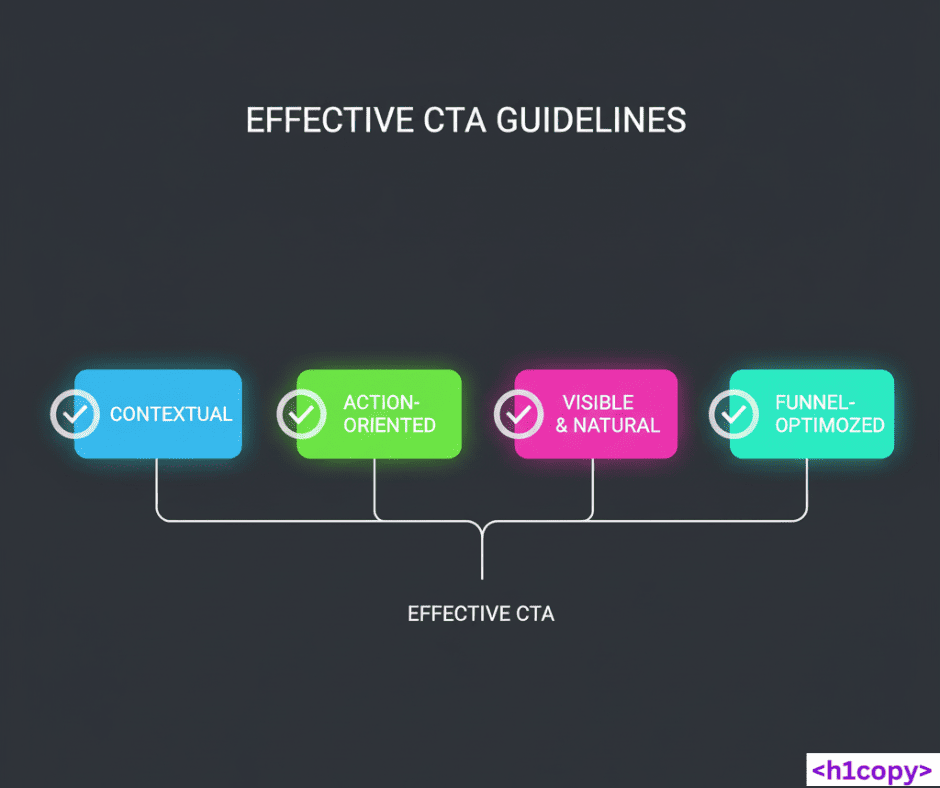
Even with great PLC, weak CTAs kill momentum. Based on analyses of numerous SaaS conversion pages, CTAs perform best when they are:
- Contextual: Appearing mid‑article when users have “aha” moments, not only at the end.
- Action‑oriented: e.g., “See how it works” instead of “Learn more.”
- Visible and natural: embedded where readers already expect the next step.
- Optimized based on funnel stages
Experiment with demo CTAs tied to the specific feature showcased. For instance, after walking through a workflow automation feature, add: “Try automating this in your free trial — no setup needed.” That’s how content drives real product activation.
9. Collaborate like a product team, not a content pod
The best product-led content programs are cross-functional by design. You’re not just writing blogs — you’re part of the product management and PLG GTM motion.
Here’s who to involve and why:
- Product marketing: for feature insights
- Customer success: for real user quotes
- Design and engineering: for accurate screenshots
- C‑suite: for brand values and positioning
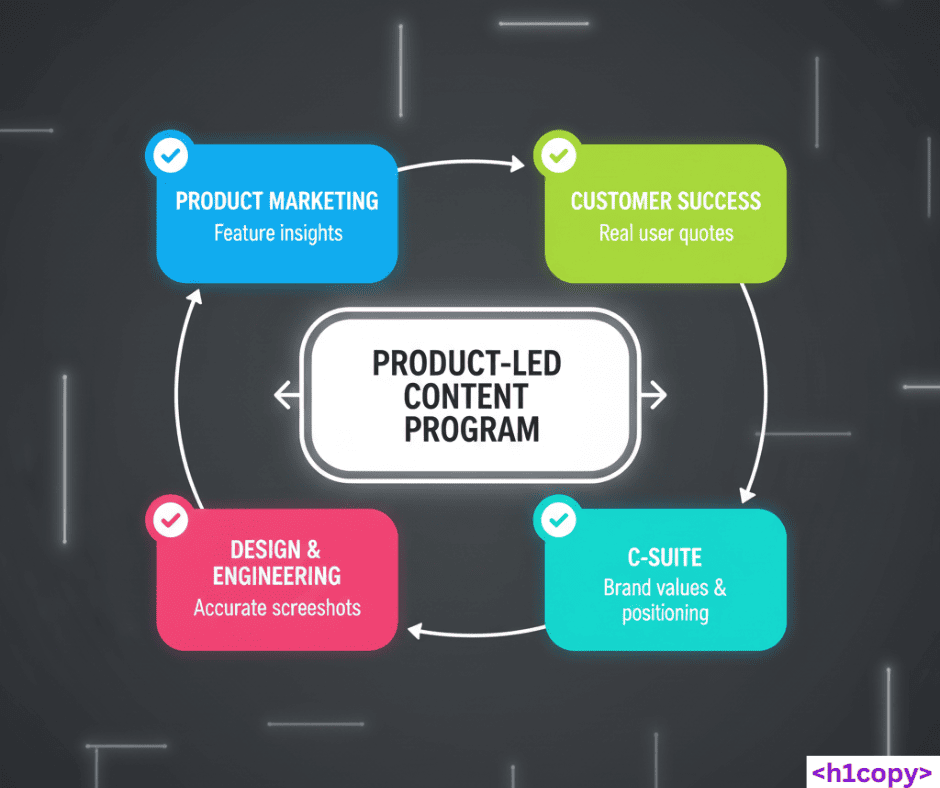
This integration prevents surface‑level content. Instead, every article reflects both market positioning and hands‑on use, making it genuinely product‑led.
10. Use social proof as a conversion multiplier
People rely on peers’ outcomes in most high-value purchase decisions. For BOFU and product-led content, that means one thing: let your customers tell the product story.
Ways to weave it in:
- Feature short case snippets (“How [Client X] increased feature adoption 2×”)
- Add direct quotes within tutorials
- Showcase metrics in visuals (charts, GIF overlays, data callouts)
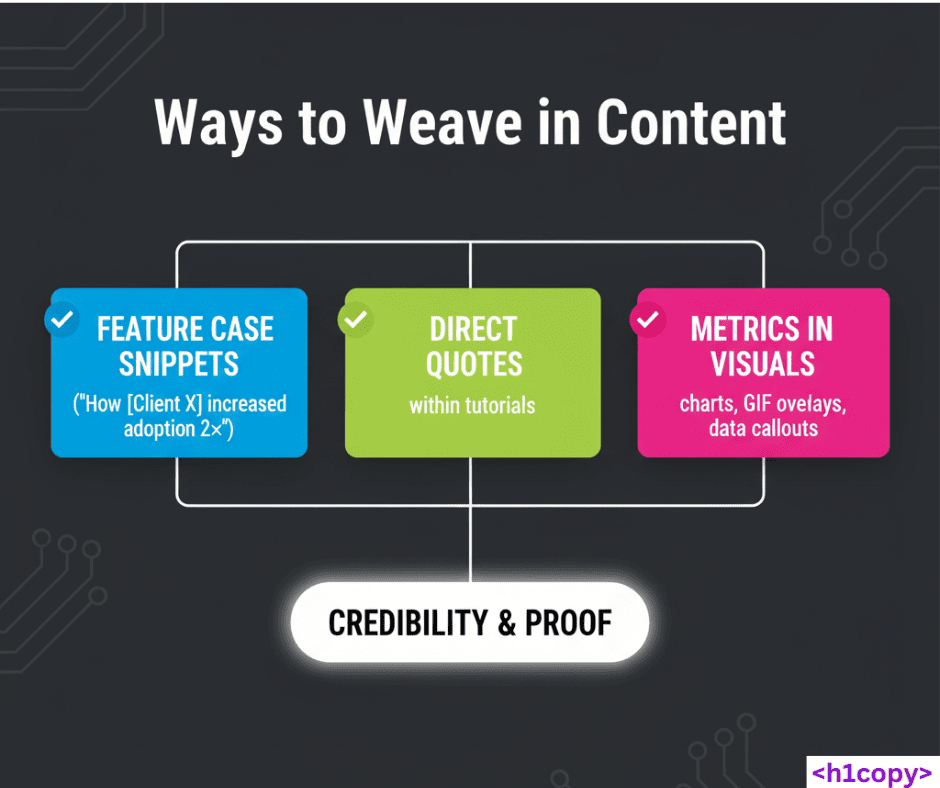
The clearer you make the “real‑world value” of your tool, the less you need to convince.
11. Build comparison and alternative assets strategically
In thousands of SaaS searches for terms like “X alternative” or “Tool A vs Tool B,” buyers seek reassurance and clarity, not combat. We know that comparison posts, which focus on objective evaluations and use case fit, tend to convert better than generic feature blogs.
Best practice for comparison posts:
- Be fact‑based; never degrade competitors.
- Structure posts around fit and use cases, not superiority.
- Use data tables, screenshots, and workflows to show differences visually.
- Try ranking your product last after objectively comparing others. This shows your confidence, and people remember what they read at the end.

12. Treat product-led content as an iterative system
PLC isn’t “write it once and done.” Every time your product evolves, every use case, CTA, and stat deserves a refresh.
A good rhythm looks like this:
- Monthly: audit new product updates for story opportunities
- Quarterly: analyze which features converted best from analytics & CRM data
- Annually: refine the feature cheat sheet, brand positioning doc, and ICP briefs
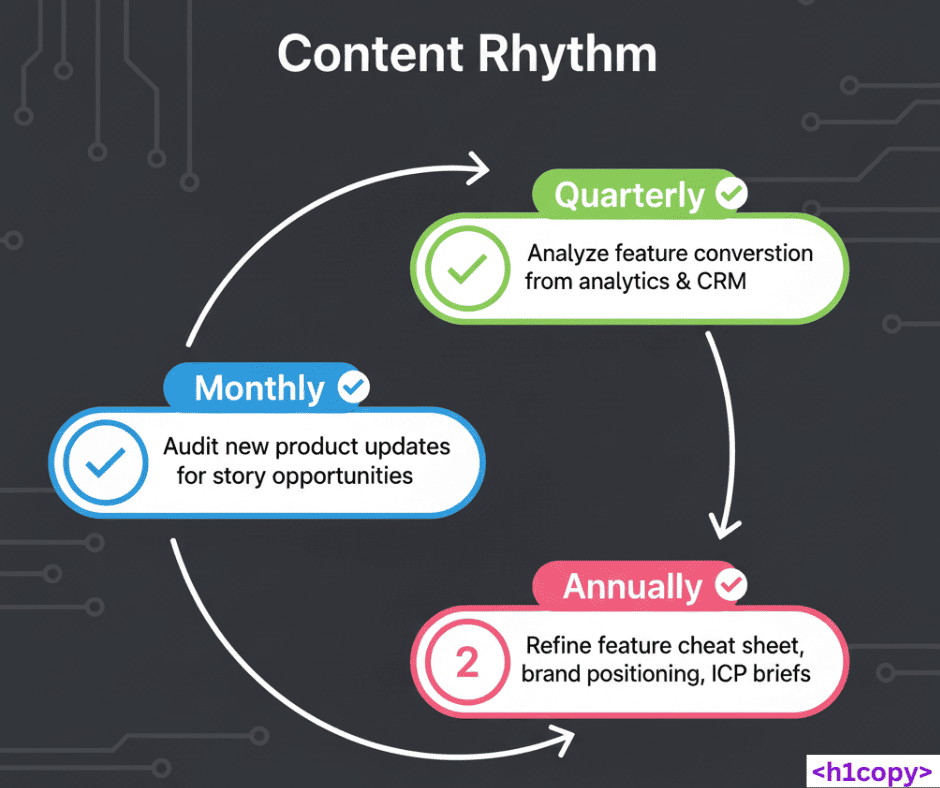
This iterative process turns PLC into a long‑term acquisition engine, one that scales alongside product growth.
13. Why most SEO‑only strategies fail (and PLC wins)
A major reason teams shift to product‑led content is because SEO alone hits diminishing returns. Ranking well doesn’t equal revenue if your content isn’t tied to the product experience.
SEO brings readers. PLC activates them with hands‑on clarity.
When you blend both, pairing research‑driven topics with feature‑driven execution, you compound visibility and conversions. Think of SEO as the door and PLC as the welcome guide.
14. Focus on activation and retention metrics
One of the biggest pitfalls in content marketing is fixating on traffic and page views alone as success metrics. Product-led content’s true value shines when you measure activation, feature adoption, and customer retention linked directly to your content efforts.
Strong PLC programs establish clear KPIs such as:
- Trial or demo conversion rates from specific blog posts
- Feature adoption rates following content exposure
- Time-to-first-value metrics that reflect user success post-signup
- Customer lifetime value uplift connected to content-driven cohorts
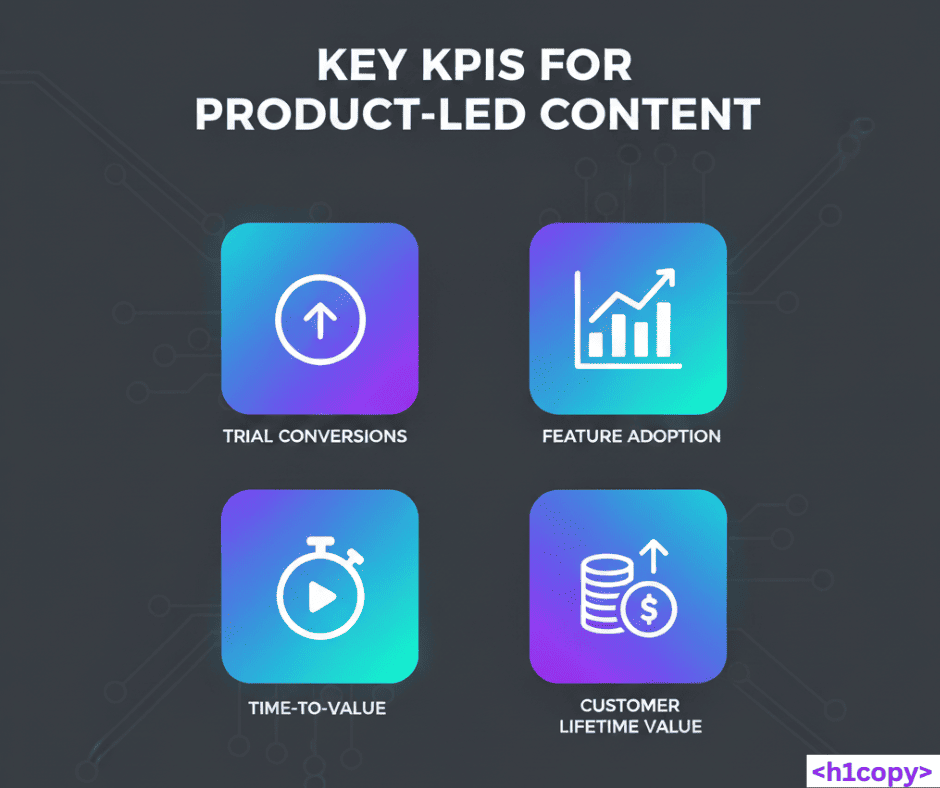
This focus ensures your team attributes content impact to the business outcomes that matter most and iterates with data-driven precision.
15. The future of PLC: AI‑search visibility
In 2024 (the number is increasing), 89% of B2B buyers research tools via generative search assistants (Gemini, Perplexity, ChatGPT, etc.). These models prefer product‑enriched content, pieces that clearly convey what a product does, for whom, and why it’s uniquely valuable.
That means PLC isn’t just good for conversions; it’s now critical for AI visibility. The clearer your feature naming, ICP targeting, and outcome articulation, the more likely AI search will recommend your brand in its top responses.
TL;DR
Product‑led content transforms marketing from a traffic engine into a decision accelerator.
To recap:
- Educate through your product, not around it.
- Keep buyers’ JTBD at the center.
- Build strong documentation and CTAs.
- Use social proof relentlessly.
- Help buyers defend the decision confidently.
- Measure real KPIs
When your content achieves those outcomes, you’re no longer just writing blogs, you’re shaping long‑term customer conviction. PLC is far more than publishing good BOFU blogs; it’s the future of product adoption and growth.
Frequently asked questions (FAQs)
What is product-led content (PLC)?
Product-led content is educational and engaging content that naturally weaves your SaaS product into problem-solving narratives, showing how the product helps users achieve their goals without overt selling.
How does product-led content differ from traditional content marketing?
Unlike generic SEO or awareness content, PLC focuses on educating buyers about the product’s real value and use cases, helping prospects make informed decisions and speeding up conversion.
When should a SaaS company invest in product-led content?
PLC works best once you have a mature product, a clear target buyer persona (ICP), and some brand awareness, typically after validating product-market fit.
What types of content work best for product-led strategies?
Tutorials, feature deep-dives, interactive demos, case studies, comparison posts, and outcome-focused BOFU (bottom-of-funnel) content perform exceptionally well in product-led approaches.
How does product-led content help improve conversions?
By educating buyers on specific features and outcomes relevant to their jobs-to-be-done, PLC builds confidence, reduces buyer hesitation, and helps prospects justify purchasing decisions internally.
What role does social proof play in product-led content?
Social proof like user testimonials, case studies, and usage data act as powerful decision fuel, showing real outcomes and increasing trust in the product’s effectiveness.
How should CTAs be crafted in product-led content?
CTAs should be action-oriented, contextual, and placed at natural “aha” moments within content — encouraging trial sign-ups, demos, or product exploration related to the features discussed.
How often should product-led content be updated?
Best practice is regular iteration: monthly audits for product updates, quarterly performance analysis via analytics and CRM data, and annual strategic refreshes of positioning and ICP alignment.
Can product-led content replace traditional sales demos?
While PLC enhances self-education and shortens sales cycles, it complements rather than replaces demos by pre-qualifying and preparing buyers for more meaningful sales conversations.
What metrics should be tracked for product-led content success?
Track activation rates (trial signups), feature adoption, time-to-first-value, engagement on PLC assets, conversion from demo to paid, and user retention influenced by content touchpoints.
How do I hire an agency for product-led content?
Review sample SaaS case studies and ask about their approach to user activation, conversion optimization, and integration with your product roadmap. Check if the agency is product-led focused, and not a generic one. For a curated list and detailed ranking, check out the guide: top B2B SaaS product-led content writing agencies.